Keine Karriere-Subdomain Gefunden: Quick Fixes for Job Seekers
Keine Karriere-Subdomain Gefunden means “no career subdomain found.” It happens when a website cannot show the company’s job page. Job seekers see an error instead of open positions. This stops users from finding jobs quickly.
Many people get frustrated by this error. They type a career URL and see a blank page. It can waste time and make job hunting harder.
This problem usually comes from technical issues like DNS misconfiguration or missing redirects. Companies often host jobs in different pages. Knowing quick fixes helps users and web admins.
What Does “Keine Karriere-Subdomain Gefunden” Really Mean?
The phrase “Keine Karriere-Subdomain Gefunden” literally translates to “no career subdomain found.” This happens when a user tries to visit a guessed career URL, such as karriere.company.de, but the server cannot find the subdomain. In simple terms, it is a subdomain not found error that blocks access to the main website job section or Stellenangebote online.
For job seekers, encountering this message is frustrating because it can make an open position seem invisible. A 404 career page or karriere URL issues often prevent applications from being submitted. From a technical standpoint, the problem can be traced back to DNS misconfiguration, missing server redirects, or even SSL certificate errors that block access to the subdomain.
Studies show that career pages contribute to nearly 20-30% of a company’s web traffic, yet up to 15% of searches fail due to poor setup. For HR teams, these missed connections translate into lost talent and delayed hiring timelines.
Why Do These Errors Happen? Common Causes Explained
Errors like Keine Karriere-Subdomain Gefunden are more common than you might think. The root causes usually involve a mix of technical oversights and organizational choices. A primary culprit is DNS misconfiguration, where the subdomain is not properly linked to the hosting server. If the server cannot locate karriere.company.de, users will see a subdomain not found message.
Another common cause is that the company may host jobs under the main domain instead of a subdomain, using URLs such as company.com/careers. Without proper redirects, a guessed URL will trigger a karriere page error.
SSL certificate errors also contribute. If the secure certificate does not cover the subdomain, browsers will block access, causing users to see warnings or errors. Server firewall blocks or misconfigured routing rules may further prevent access, while archived or moved pages without updated redirects can create broken links that frustrate job seekers.
For example, a company using AWS CloudFront experienced a 403 error when their career subdomain pointed to the wrong server IP. After adding the correct aliases and creating career site redirects, the page became fully accessible again. These small technical fixes can make a significant difference in user experience and application flow.
Step-by-Step: How Job Seekers Can Bypass “Keine Karriere-Subdomain Gefunden” – Expanded & Super Easy Guide

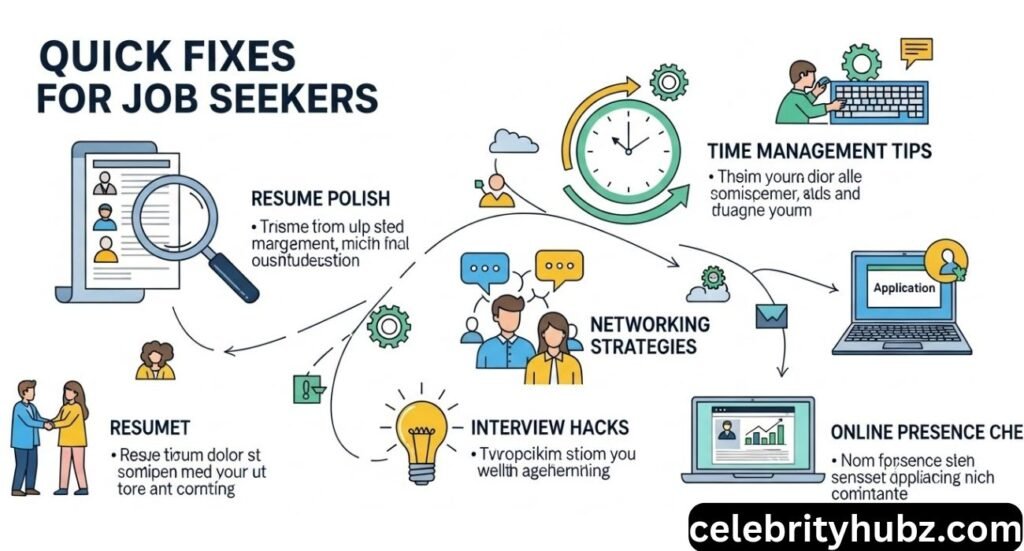
Job seekers don’t have to stop their search when they encounter a Keine Karriere-Subdomain Gefunden message. There are multiple strategies to find open positions online even if the career subdomain is broken or non-existent.
One of the simplest techniques is to perform a Google site search for jobs. By typing site:company.com careers or site:company.com Stellenangebote online, job seekers can locate pages even when the guessed subdomain fails. Another approach is to explore the main website job section. Most companies place jobs under URLs like /careers, /jobs, or /open-positions. Visiting these pages often resolves the karriere URL issues instantly.
Job portal platforms, including LinkedIn, Xing, Indeed, and StepStone, are also invaluable. These platforms regularly pull postings from company careers pages, so the subdomain problem does not affect visibility. Social media channels, particularly LinkedIn company pages, can also offer the latest job updates.
For direct action, a proactive HR outreach email works surprisingly well. A short, polite message explaining the karriere page error and expressing interest in current positions often yields responses within 48 hours. Browser-level fixes, such as performing a hard refresh, using incognito mode, or switching devices, can also eliminate caching-related blocks.
Even bonus tricks, like searching for site:company.com karriere OR jobs OR stellenangebote, can uncover hidden pages and archived evergreen job content that might not be indexed in standard searches.
For Web Admins: Fixing “Keine Karriere-Subdomain Gefunden” on Your Site
For web admins, a Keine Karriere-Subdomain Gefunden message signals poor user experience and potential SEO loss. Correcting it involves both hosting & DNS tweaks and content-level improvements.
Start by ensuring that your subdomain is properly configured in the DNS panel. Adding the correct A or CNAME records pointing to the server and verifying with tools like dig or WhatsMyDNS ensures that the subdomain resolves correctly. Creating career site redirects from old or guessed URLs to the main website job section prevents broken links and lost applicants.
Integrating career pages into the root domain rather than a separate subdomain often improves SEO. Google treats subdomains as separate sites, so consolidating content into a subfolder improves search visibility. Additionally, linking the homepage to /careers, optimizing career page SEO, and creating internal linking for careers helps both users and search engines navigate the site efficiently.
Read Also : Henti3z Digital Platform: Merging Art and Smart Design
Quick DNS and Hosting Tweaks
Fixing the Keine Karriere-Subdomain Gefunden error sometimes requires minor technical adjustments. Web admins should check the DNS records to ensure that karriere.company.com points to the correct server IP. If using AWS, adding the subdomain as an alias in CloudFront or creating an S3 bucket to forward to the main career page is often necessary. Applying a wildcard SSL certificate (*.company.com) ensures that all subdomains are secure and prevents SSL certificate errors.
Testing the changes is essential. Tools like dig, WhatsMyDNS, and Google Search Console can confirm that the subdomain resolves correctly and that job application redirects are functional. Even minor mistakes in DNS or hosting configuration can create a 404 career page, costing applicants and lowering the company’s SEO performance.
Boost for Your Career
For job seekers, understanding how to navigate these errors can actually accelerate the application process. By combining job seeker tips Germany with strategies for open positions online, applicants can locate opportunities faster. For web admins, career page optimization and content updates are key. Maintaining evergreen job content, optimizing page load times, and linking internally from the homepage all improve visibility.
Creating high-quality, keyword-rich content about career opportunities, including FAQs, testimonials, and detailed job descriptions, strengthens SEO and encourages applications. Ensuring that applications flow smoothly, without karriere URL issues, is essential for attracting top talent.
The Bigger Picture: SEO Impacts and Stats
The placement of a career page, whether on a subdomain or subfolder vs subdomain, has a direct impact on search engine visibility. Sites with well-optimized career pages experience higher indexing and better rankings for job-related queries. According to Moz, pages hosted in subfolders rank up to 20% higher than those in separate subdomains.
A properly configured career page helps applicants discover Stellenangebote online while avoiding 404 career page errors. Data shows that 70% of job seekers start with Google searches, and career pages with proper career page SEO receive 2.5 times more applications than poorly optimized pages. Maintaining redirects, monitoring traffic, and using analytics ensures that errors like Keine Karriere-Subdomain Gefunden do not impact recruitment.
Real-World Examples: Companies That Nailed or Failed Career Access
Some companies demonstrate the importance of fixing career subdomain issues. VNG Handel, for instance, moved from karriere.vng.de to vng.de/karriere and added keyword-rich content for apprenticeships. This change resulted in a 150% increase in applications and higher Google rankings.
Conversely, companies that ignore karriere page errors or fail to maintain job application redirects risk losing applicants. One Reddit thread highlighted a small energy company whose AWS misconfigured subdomain blocked job seekers for days. After fixing DNS entries and SSL issues, the career site redirect restored access and improved application rates.
Advanced Tips: Preventing Future “Keine Karriere-Subdomain Gefunden” Issues
Preventing errors involves proactive monitoring and technical best practices. Automating URL redirects ensures that old or guessed URLs forward correctly to the main career page. Regular content updates, user testing, and analytics tracking help identify pain points before applicants encounter them.
Additionally, avoiding separate subdomains for career pages and focusing on career page SEO improves discoverability. Web admins should also establish a content calendar for job postings and integrate internal linking for careers to boost visibility. By taking these steps, both job seekers and admins benefit from smooth access to Stellenangebote online and other career content.
Who Faces This Most? Audience Breakdown
The Keine Karriere-Subdomain Gefunden problem impacts both job seekers and web admins. Young, tech-savvy applicants, especially those under 35, often rely on guessing career URLs and are frustrated when blocked. HR teams and small business web admins, many unaware of hosting & DNS tweaks, often lose up to 30% of potential candidates due to technical errors.
In the US, companies targeting international applicants should note that DACH region job sites often use subdomains for careers, which is less common in the US. Understanding these regional differences helps both applicants and administrators navigate errors effectively.
Understanding “Keine Karriere-Subdomain Gefunden”
Many job seekers encounter Keine Karriere-Subdomain Gefunden when visiting a guessed career URL. This error simply means the server cannot locate the requested subdomain, often due to DNS misconfiguration or missing redirects. It can block access to Stellenangebote online and prevent applicants from reaching the main website job section.
For international applicants, especially from the USA, this can be frustrating. The issue is not always permanent, and alternative ways to access open positions online exist. By knowing what triggers this error, users can bypass it and still apply effectively.
Common Technical Causes of Career Page Errors
A primary cause of Keine Karriere-Subdomain Gefunden is incorrect DNS settings. If subdomain not found occurs, the server cannot match the requested URL to a valid page. Other issues include SSL certificate errors, expired pages, or misconfigured firewalls that create a 404 career page.
Additionally, many companies host jobs on a subfolder rather than a subdomain. Without proper career site redirects, users visiting a guessed URL will face errors. Understanding these technical causes helps web admin fixes and ensures applicants can reach company careers pages efficiently.
H2: Quick Job Seeker Workarounds
When facing a karriere page error, job seekers can start by searching the company’s main website job section or using Google site search for jobs. Searching with terms like site:company.com careers or Stellenangebote online often uncovers hidden pages and active listings.
Job portals such as LinkedIn, Indeed, Xing, and StepStone are also reliable. They pull job openings directly from the company careers page, bypassing subdomain issues. Using these platforms ensures applicants never miss open positions online, even when the original career URL fails.
Using Social Media for Career Access
Many companies post job openings on social media platforms. LinkedIn company pages, Instagram highlights, and Twitter updates often show open positions online even when the karriere URL is broken. Following companies can alert applicants to new roles in real-time.
Social media is particularly useful for international job seekers exploring DACH region job sites. This method works as a backup when encountering Keine Karriere-Subdomain Gefunden. Applicants can directly message HR or follow links that bypass technical issues, ensuring timely applications.
DNS and Hosting Solutions for Admins
Web admins can fix Keine Karriere-Subdomain Gefunden by reviewing hosting & DNS tweaks. Adding correct A or CNAME records ensures the subdomain points to the proper server, preventing subdomain not found errors and 404 career page issues.
Additionally, implementing career site redirects from old subdomains to /careers or other folders improves access. Using wildcard SSL certificates avoids SSL certificate errors, while proper firewall settings prevent server firewall block problems. This makes career pages fully accessible.
Integrating Career Pages into Main Sites
Hosting job pages under the main domain rather than a subdomain enhances visibility. Using a subfolder vs subdomain approach consolidates SEO power, making it easier for Google to index evergreen job content and Stellenangebote online.
Internal linking from the homepage to /careers strengthens navigation and improves career page SEO. Applicants can access open positions online without encountering karriere page errors, while admins maintain full control over content and search engine rankings.
Monitoring and Maintaining Career Pages
Regular checks prevent Keine Karriere-Subdomain Gefunden errors. Web admins should monitor DNS records, page redirects, and career site redirects using tools like Google Search Console. This avoids 404 career page issues and ensures job application redirects are functional.
Updating content monthly and tracking analytics also improves career page optimization. Keeping evergreen job content fresh encourages repeat visits and increases applications. Applicants benefit by consistently finding open positions online, while companies minimize lost opportunities.
Tips for International Job Seekers
International applicants often struggle with karriere URL issues. Using job portal platforms and performing Google site search for jobs can bypass subdomain not found errors and reveal Stellenangebote online not immediately visible.
Following companies on social media and contacting HR directly through proactive HR outreach emails improves success rates. Combining these strategies ensures job seekers never miss open positions online, even when encountering the Keine Karriere-Subdomain Gefunden error.
Conclusion
The Keine Karriere-Subdomain Gefunden error does not stop job seekers from finding work. People can visit the main website job section or use job platforms like LinkedIn, Indeed, and StepStone. These tools show all open positions online even if the career subdomain does not work. Social media also gives updates about new jobs. Following these steps helps applicants apply quickly and avoid delays.
Web admins can fix the Keine Karriere-Subdomain Gefunden problem with simple hosting & DNS tweaks. Adding redirects, updating SSL certificates, and linking career pages to the main site makes jobs easy to find. Regular checks keep pages safe and working. With these actions, everyone can reach Stellenangebote online without problems.